
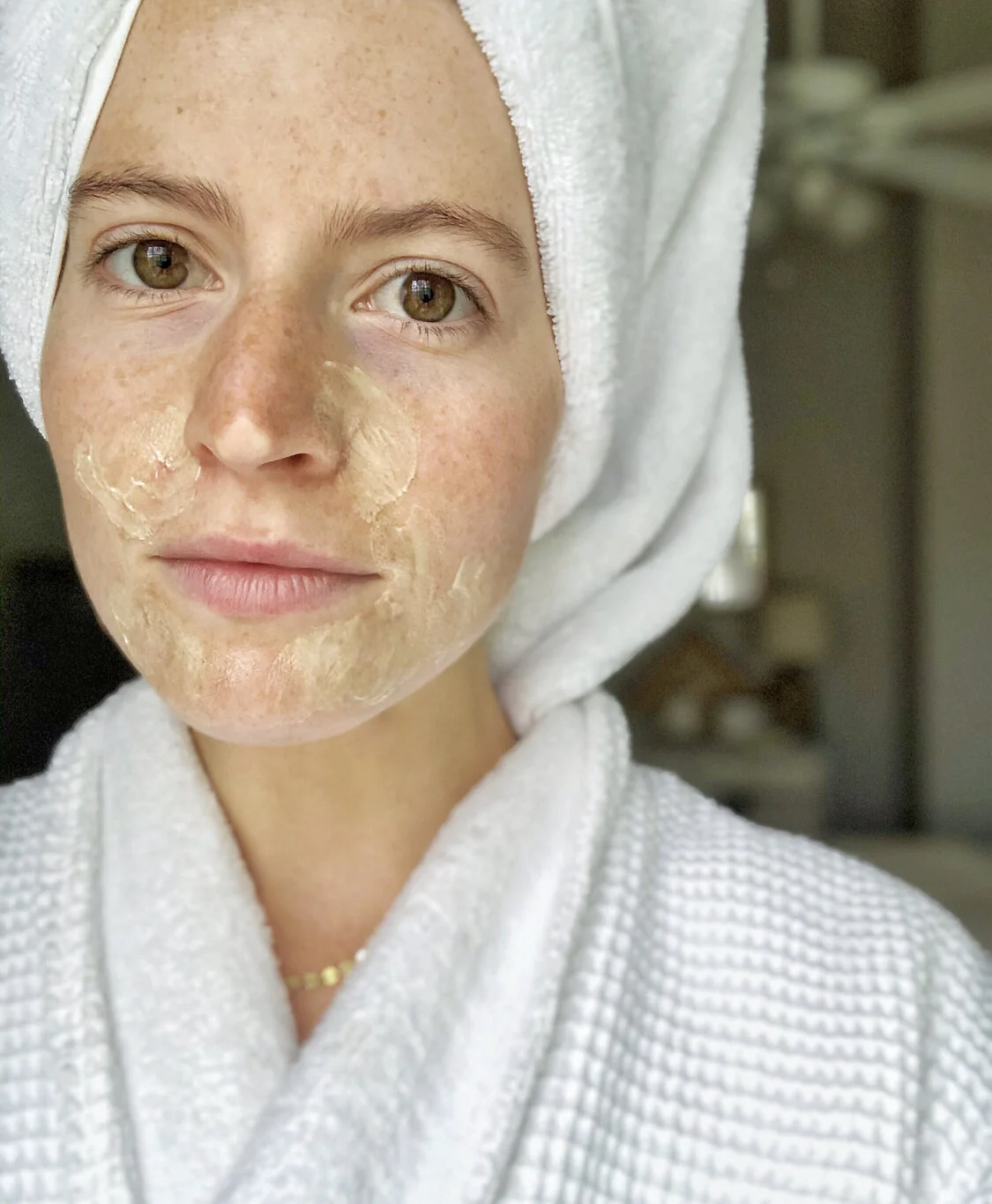
Perioral Dermatitis Healing & Treatment Update
*Disclaimer: I am not a medical professional. The products mentioned do not guarantee treatment. Please consult your physician prior to starting any new skincare regimen. This post contains affiliate links*
Hello hello! As an acne sufferer, and someone with really sensitive skin, I am always apprehensive to share skincare updates in fear of jinxing myself! However, I feel like I’ve made enough positive strides in my perioral dermatitis journey to share what I am doing for my skin at the moment. This blog post shares the exact products I have been using for my skin. Keep in mind, everyone’s skin is different, so these products might not work for you, but most are inexpensive enough that it might not hurt to buy and try them out!
I feel like finding a skincare routine for something as troublesome as PD is crucial. I am always anxious to stray from any routine once it starts working. Currently, I’m dealing with some acne breakouts that are related to poor dietary choices lately, but my PD has been mostly under wraps (knock on wood).
If you haven’t seen my last post on PD, perhaps check that out as well. This post is sharing the specific products I’ve been using for the past few months, and I find that they’ve made a huge positive impact on my skin. Do keep in mind that I always strive to keep my beauty and skincare routines as clean as possible, but there are some occasions that conventional or prescription products are necessary. Basically, having clear skin is super important to me. Anyway, without further ado, here is my current PD routine.
1: Face Wash/Soap: Finding a cleanser that works for both my acne and PD was sooo important. I’ve learned that fragrance can be really irritating to my skin, so I am skipping out on any facial products with fragrance for the time being. My friend Jodi told me about this Emu Oil Soap (not vegan, heads up) for acne and eczema and I swear this thing has made a HUGE difference in my PD and acne. In writing this post, I saw the specific soap I use is not available on amazon anymore, so naturally I panicked. Thankfully I found it on Walmart and have since stocked up for myself! I’m not sure if it is the emu oil or the zinc in the soap that helps with my skin, but I do not want to be separated from this product just yet.
2. Antifungal Cream: I was prescribed Ketoconazole cream by my dermatologist and it has made a huge impact on my PD. The fact that the antifungal cream cleared up my PD really suggests that the flare was related to my gut health (I have candida/yeast overgrowth…aka fungus. Nice.). If you do not want to go to your dermatologist, I’d suggest trying an OTC antifungal cream like Lotramin. That being said, some people’s PD is not aggravated by yeast overgrowth, so there’s a chance it wouldn’t help you. Swinging back to the emu oil soap, emu oil apparently has great antifungal and antibacterial properties, which might further PD healing. The only thing I’ve heard to avoid with PD are topical steroid creams. They apparently reduce the appearance of the flare initially, but often it comes back with a vengeance. So I’ve heard!
3. Sulphur Ointment: I was introduced to this sulphur ointment a few months ago, and it has CHANGED THE GAME for my acne. I had also read somewhere that sulphur can be used on PD, so I applied the ointment to my rashy spots and it made a significant impact on clearing my skin. All in all, I am obsessed with this inexpensive sulphur ointment. I suggest doing a spot test before applying the ointment to your face, in the event sulphur causes you any irritation. I did not find it to be bothersome, however can be a little drying if used daily.
4. Moisturizer: Again, another product that I read online to help with dry PD spots was this Avene moisturizer. Yale and I both use this almost religiously on super dry, irritated or red spots anywhere on our skin. We both have sensitive, acne-prone skin and haven’t ever had an issue with this product. I don’t typically apply it all over my face (this is the daily moisturizer I’ve used for years), but on super dry spots. I’ve found with PD it is helpful to keep it semi-hydrated, as the spots can get really dry quickly.
5. High Quality Probiotic: Since I made the connection between my gut health and my perioral dermatitis, I’ve made a more conscious effort to up my probiotic intake daily. Probiotics are one of those things that I always seem to forget about, and it isn’t until I incorporate them into my routine when I see a difference. I’ve been taking the Sakara probiotics for over a month now and am TRULY obsessed. I talk about Sakara products a lot, but these probiotics have honestly made such a positive impact on my gut health. Their strain of probiotics includes enzymes that can help fight off yeast overgrowth. I really feel like these alone have made a huge difference in my skin and gut health. Big fan. Use my code “XOTHM” for a discount on your first Sakara order!
6. Change Toothpaste: I’ve heard that a big trigger for PD is toothpaste. Specifically toothpaste with sodium lauryl sulfate (SLS). I am not entirely sure my PD was triggered by toothpaste in the first place since my flareups are typically around my nose, but I figured it can’t hurt to make the switch if I can find something I like.
Those are my tips! I hope this blog post is helpful. As with anything, if you are really struggling with your skin, seek the help of a medical professional. These products have made a difference in my skin, but aren’t necessarily guaranteed to help everyones. It’s also hard to pinpoint one specific product as the most beneficial. I think they’ve all worked well together, which has been great. If you’re struggling with PD, I promise it will get better eventually. I had a massive flare from March 2020-June 2020, which does align nicely with quarantine and the lockdown. I think stress could definitely be a contributing factor as well, but who knows!?

